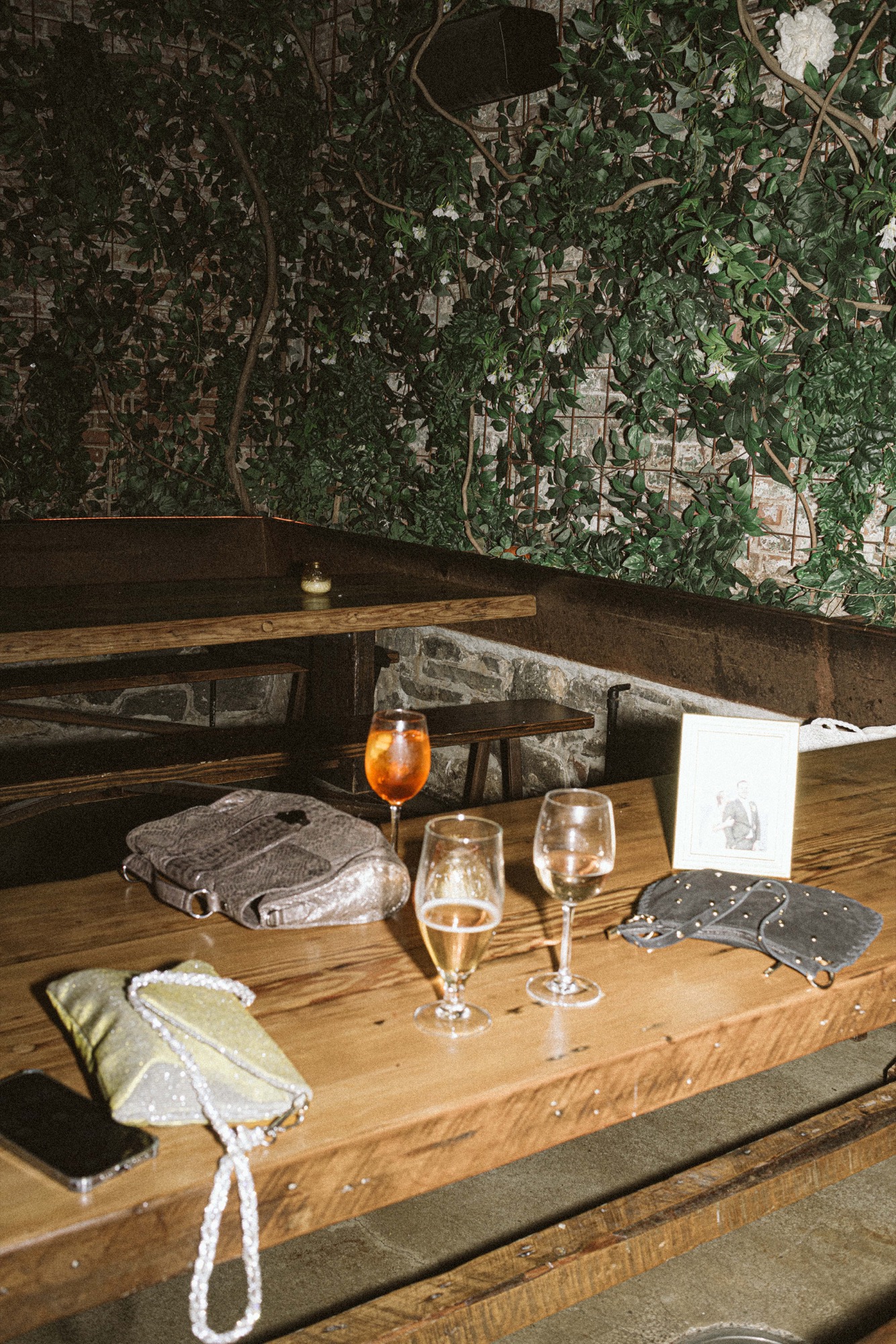
Golden hour portraits are lovely. They're also not the whole wedding. Once the sun goes down and the reception gets going, ambient light alone starts working against you — noisy, blurry, guessing at what actually happened on the dance floor. That's exactly where direct flash earns its keep.
why flash, and why direct
Direct flash freezes real motion instead of blurring it into a smear. It cuts through a dim reception hall honestly, instead of pretending the room is brighter than it is. And it gives images a bit of grit and punch that a softly-lit, over-smoothed digital frame just doesn't have.
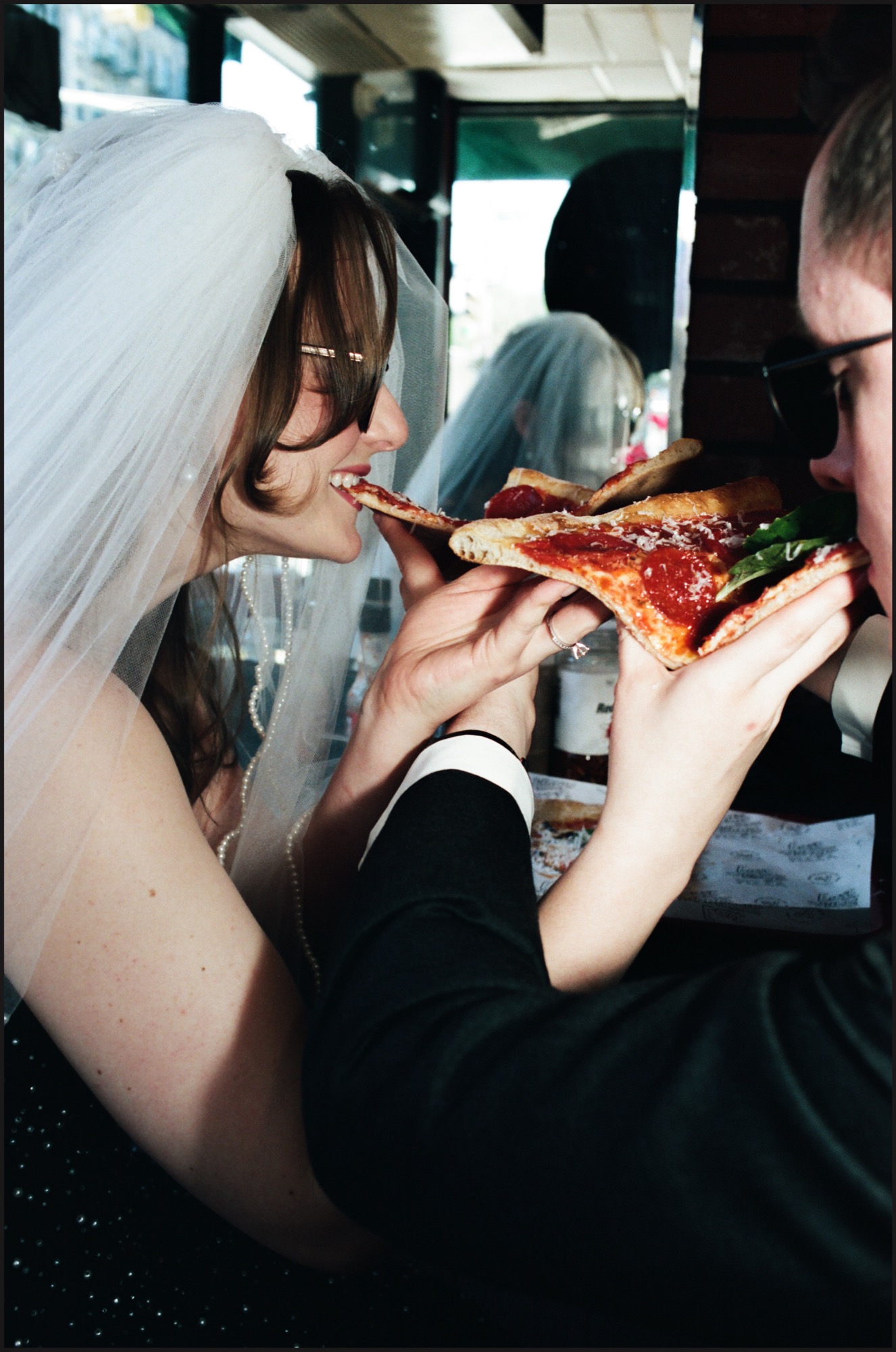
where it matters most
The first dance under low venue lighting. The room mid-toast, glasses raised, nobody posing. The dance floor once it's actually full and moving. Anywhere the moment is real but the light isn't cooperating, flash is what keeps the camera up to the moment instead of behind it.
it's a choice, not a shortcut
Direct flash has a reputation for being harsh, and used carelessly, it can be. The difference is intention — knowing exactly when to fire it and when to let the room's own light carry a frame instead. It's a deliberate part of the coverage, not a default I fall back on when things get dark.
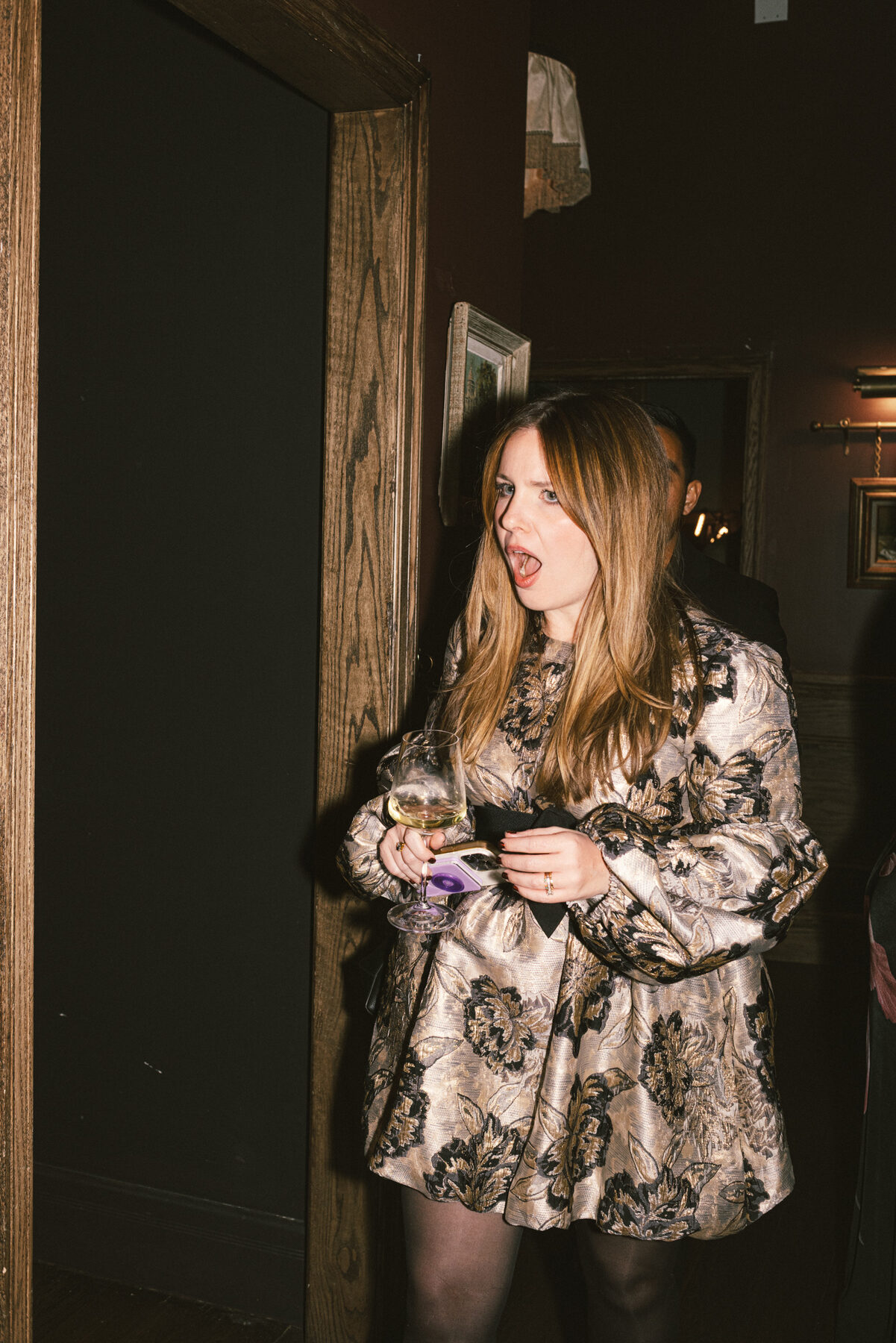
what it actually looks like
A little retro. A little paparazzi. Real texture instead of a flat digital sheen. On film especially, it reads less like a styled wedding album and more like proof that something was genuinely happening in the room that night.
Curious what flash coverage looks like for your day? Say hello and let's talk it through.