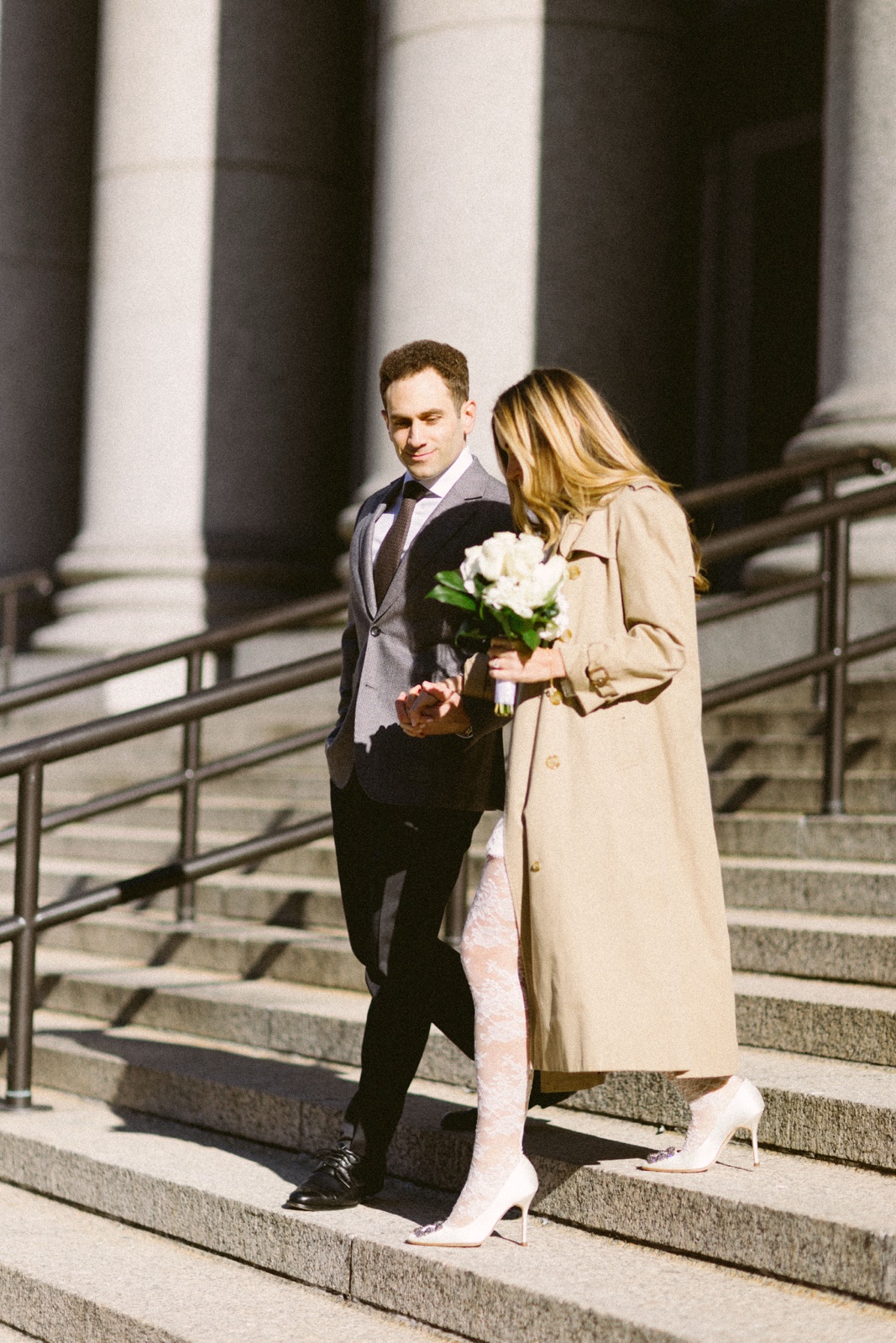
The first wedding I photographed documentary-style, I barely spoke to the couple all day. I introduced myself in the morning, confirmed the timeline, and disappeared into the background. I didn't direct. I didn't interrupt. I didn't ask anyone to "do that again, but facing the camera."
At the end of the night, the bride found me and said, "I forgot you were even here." She meant it as a compliment. That's documentary wedding photography — present but invisible. You capture what happens without changing what happens.
what documentary style actually means
Documentary wedding photography borrows from photojournalism: observe, don't interfere. Capture reality as it unfolds. Prioritize authentic moments over aesthetically perfect compositions. Tell the story of what actually happened, not what you wish had happened.
That's fundamentally different from traditional wedding photography, where the photographer is a director — "stand here, turn this way, smile at each other, now walk toward me slowly." I don't direct. I anticipate. I position myself where moments are about to happen, and I'm ready when they do. It's the difference between constructing an image and discovering one.
the ethics of non-interference
In photojournalism, there's a strict ethical code: you don't stage scenes, you don't ask subjects to repeat actions for the camera, you document reality even when it's messy or imperfect. Documentary wedding photography operates on similar principles, with a little more flexibility — I'll quietly move a distracting object out of frame, but I'm not staging moments or asking you to perform emotion for the camera.
If you're not naturally laughing, I'm not asking you to pretend. The images I deliver are honest documentation of how your day actually unfolded, not how I thought it should unfold.
anticipation is everything
People think documentary photography is passive — point the camera, shoot whatever happens. It's not. Good documentary work is intensely active. You have to be in the right place at the right time, which means reading social dynamics and anticipating moments before they happen.
I'm watching body language. I notice when someone's eyes start to well up during a toast. I see the moment before someone breaks into genuine laughter. I position myself where the light is beautiful and wait for the moment to enter that light.
reading the room
Where is energy building? Who's about to do something spontaneous? At a reception, I'm watching the periphery — the grandmother watching the couple dance, the best friend getting emotional during the toast. Those moments don't happen on cue. You can only be ready when they occur naturally.
embracing imperfection
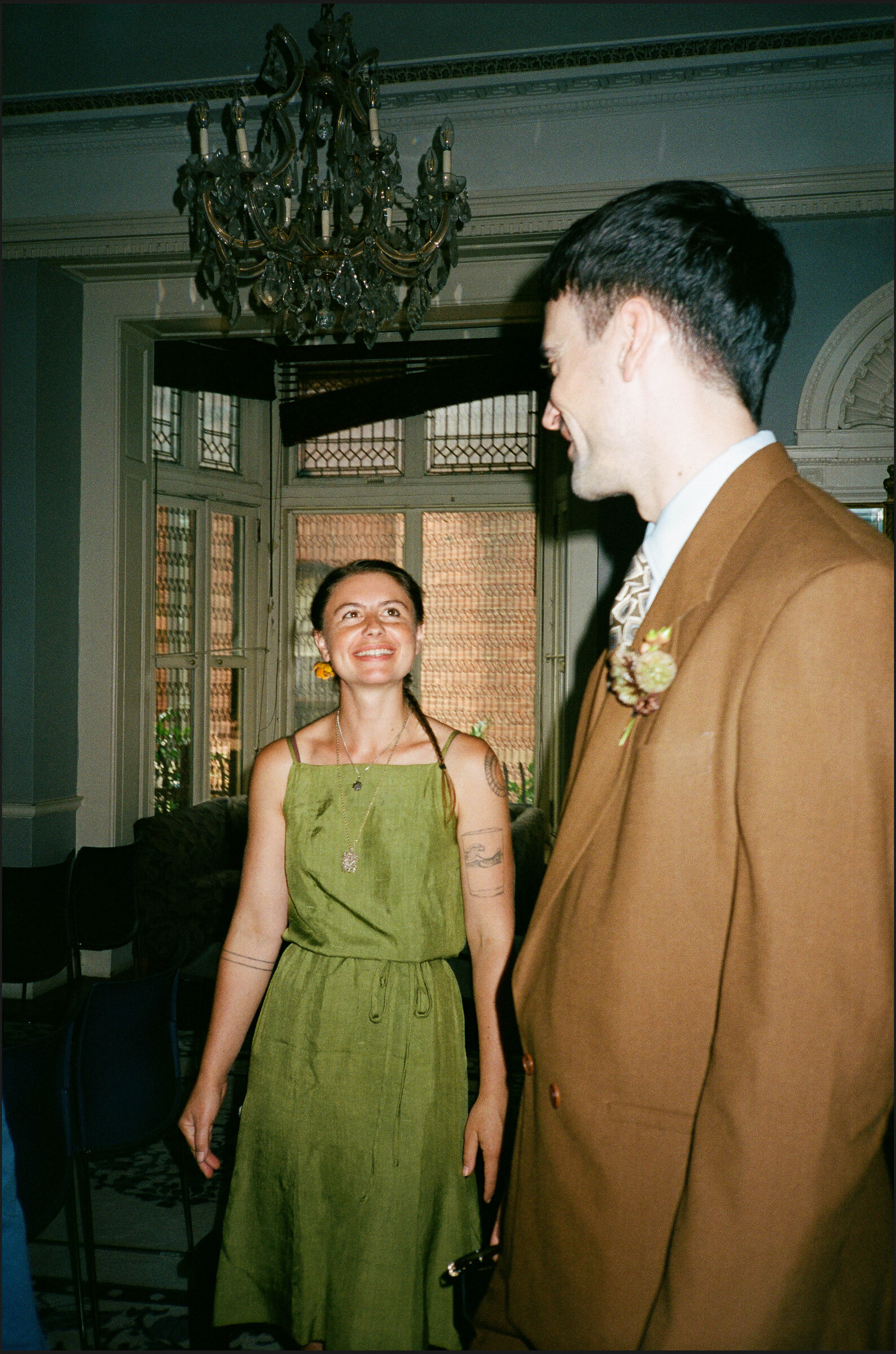
Documentary-style images aren't always technically perfect. Sometimes there's motion blur because life is blurry. Sometimes the composition is off-center because that's where the moment actually happened.
I'd rather hand you a slightly blurry image of genuine laughter than a perfectly sharp image of fake smiles. The blur becomes part of the story — evidence that something real happened.
what you won't get
You won't get every family member looking at the camera simultaneously in perfect lighting — that requires staging and multiple takes. You won't get a golden-hour couple portrait where every hair is in place, unless that moment happens naturally; I follow the day as it unfolds, I don't pause it for lengthy portrait sessions. And you won't get hundreds of styled detail shots of your rings and invitations arranged with flowers. If those details are naturally part of your day, they'll be documented. I'm not staging tablescapes while your celebration is happening around me.
the middle ground: guided documentary
Pure documentary wedding photography is rare. Most couples want some middle ground: authentic, candid moments, but with certain people and key moments still covered. This is "guided documentary" — I work primarily in observation mode, but I'll quietly guide certain moments, like positioning a couple near better light for a first dance, or suggesting a general spot for family photos and letting the interactions unfold naturally once everyone's gathered.
The difference is subtlety. I'm not orchestrating the day. I'm making small adjustments that let authentic moments happen in better light, without ever asking you to fake emotion or perform for the camera. Those lines stay firm.
why documentary style is harder
Traditional wedding photography has a script: first look, ceremony, family photos, portraits, first dance, cake, send-off. Documentary style requires constant vigilance instead — you can't check out, you can't predict exactly what will happen, and you have to be ready for anything while staying invisible. By the end of a wedding, my feet hurt from repositioning all day and I've probably shot thousands of frames to get the few hundred that actually tell the story.
But those images will be honest. They'll show how your day actually felt — not how I wanted it to look, but how it really was.
who documentary style is for
It's for couples who trust the process. Who believe real moments are more valuable than perfect poses. Who hate being told what to do, who feel stiff when someone says "now look at each other lovingly." Who want to experience their wedding, not perform it.
what you should expect
Expect to be mostly left alone — I'll be there, always watching, rarely directing. You might not notice me for long stretches. That's intentional. Expect images that show your wedding as it actually happened: imperfect, emotional, a little chaotic, and beautiful. Expect to look at your photos and remember not just what happened, but how it felt.